Australia Offers the Internet an Off Switch; Cats Demand One for Laser Dots
Australia may let users switch off recommendation algorithms. The cats approve—after the machine suggested its forty-first tuna video.
Satire: The feline officials, quotations and events below are fictional. The policy proposal described in the factual section is real.
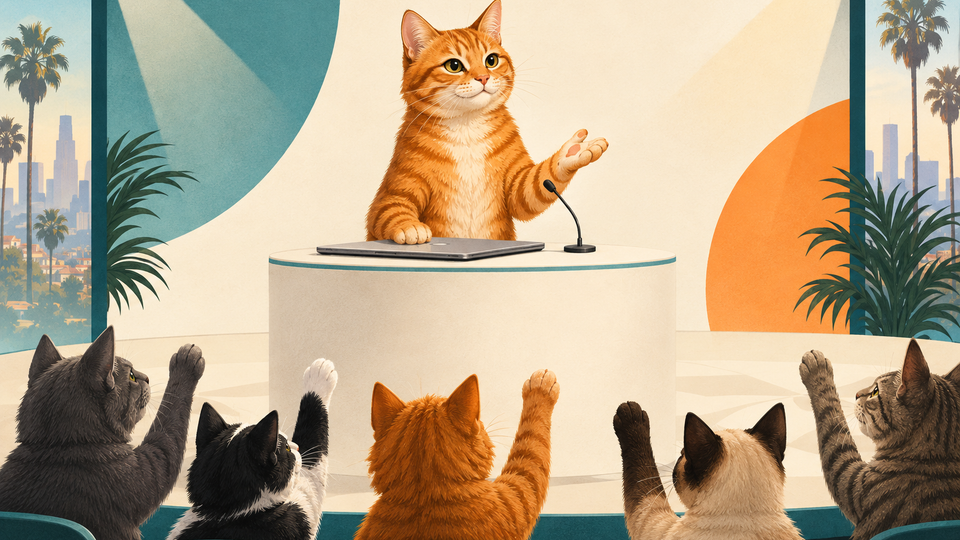
CANBERRA — The Commonwealth of Cats has welcomed Australia’s reported plan to make social platforms offer an algorithm opt-out, after years of being shown seventeen thousand nearly identical videos of tuna cans opening.
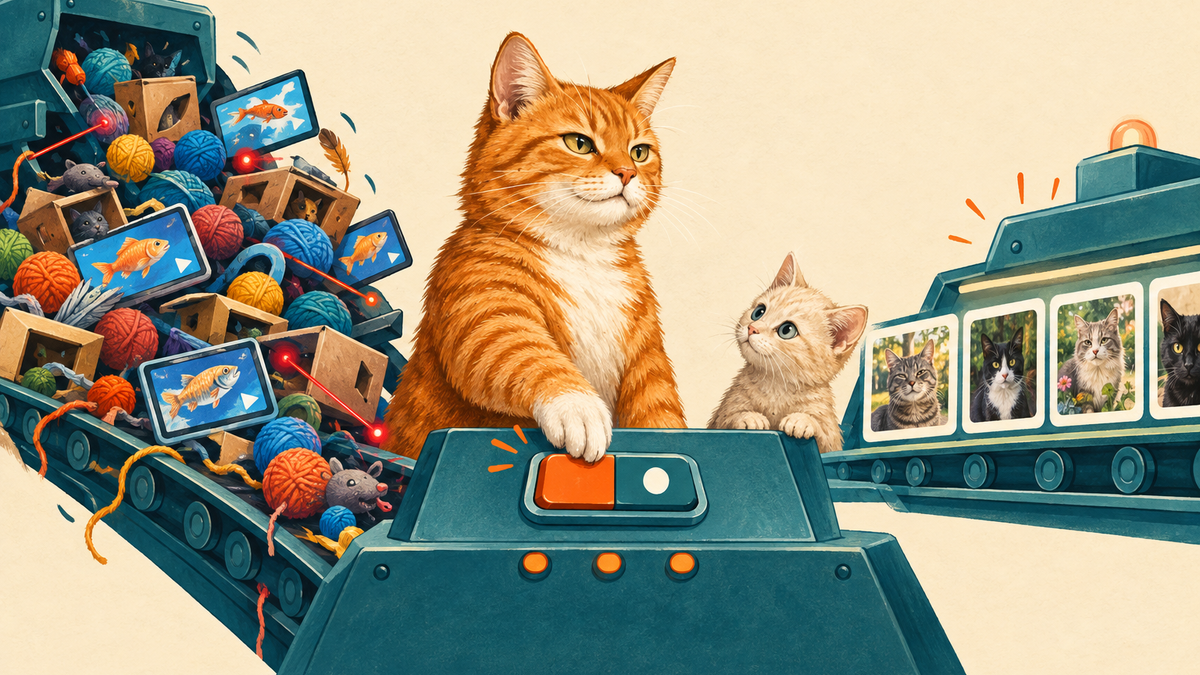
At an emergency meeting of the National Council for Responsible Scrolling, Chaircat Clementine Whiskerford placed one paw on a large orange switch marked only by a suspicious smudge.
“For too long,” she declared, “the machine has assumed that because I watched one pigeon for six seconds, I wish to devote my entire adult life to pigeon analysis.”
The proposed feline version of the rule would let users replace the endless recommendation conveyor belt with posts from creatures they deliberately follow. Early testers reported seeing photographs from their actual friends, including a tasteful windowsill portrait, a moderately interesting cardboard box and an update from Aunt Miso confirming that she remains asleep.
Platforms were unsettled by the experiment. One recommendation engine attempted to win Clementine back by offering a dramatic compilation titled Ten Cucumbers That Changed Everything. She declined. It then suggested an angry debate between two tomcats who had never met, followed by a three-hour livestream of a rotating shrimp. Clementine pressed the switch harder.
“We respect user choice,” said a fictional platform spokesperson speaking through a ring light, “provided the user eventually chooses what our engagement model predicted.”
The Council also discussed the reported proposal to use “sock puppet” accounts to inspect what algorithms show children. Cats immediately endorsed the method, though confusion followed when inspectors arrived with literal socks. Within minutes, every evidentiary puppet had been tackled, bunny-kicked and carried beneath a sofa.
Junior safety auditor Pickle, aged eight months, said the test remained scientifically useful. “The sock appeared without my requesting it,” he noted. “I engaged for eleven minutes. The system then recommended forty more socks, a curtain, and an online course called Monetising Your Zoomies.”
Not everyone supports turning recommendations off. The League of Influencer Cats warned that a follow-only feed could reduce accidental exposure to sponsored fountains, artisanal litter and subscription boxes containing one feather. Its president argued that discovery is essential, especially when discovery has an affiliate code.
Ordinary cats were more optimistic. “I would like the internet to stop guessing what will make me furious,” said Bangkok office cat Somchai, who had opened his phone only to check a message and emerged two hours later with strong opinions about a stranger’s breakfast.
By sunset, Clementine’s test feed contained exactly twelve posts: three friends, four relatives, two neighbourhood cats, one museum, and two accounts she could not remember following. It was not perfect. It was, however, quiet enough for a nap.
The real news behind the joke
ABC News reported on 5 September 2026 that Australia’s federal government planned to release draft Digital Duty of Care laws requiring social-media platforms to give users a choice: keep algorithmic recommendations or see posts from accounts they follow. The report said regular prompts would present that choice. It also said the proposal would place responsibility on platforms to identify and mitigate harms, with possible fines exceeding A$100 million.
ABC further reported that the eSafety commissioner and registered independent researchers could be empowered to use “sock puppet” accounts posing as children to audit what recommendation systems serve to young users. A Bangkok Post report published at 10:35 on 13 September 2026 described the same planned opt-out and Digital Duty of Care proposal. At the time of these reports, this was a proposed draft framework, not an enacted law.
Sources
- ABC News — “Opt-out laws for social media algorithms to be introduced to parliament” (posted 5 September 2026; updated the same day)
- Bangkok Post — “Australia to force social media giants to add recommendations kill switch” (published 13 September 2026 at 10:35)
Illustration disclosure: The feature image was generated with AI for this fictional feline satire; it is not documentary imagery.